



Xi’s surveillance state seeks to identify future dissidents
The Times
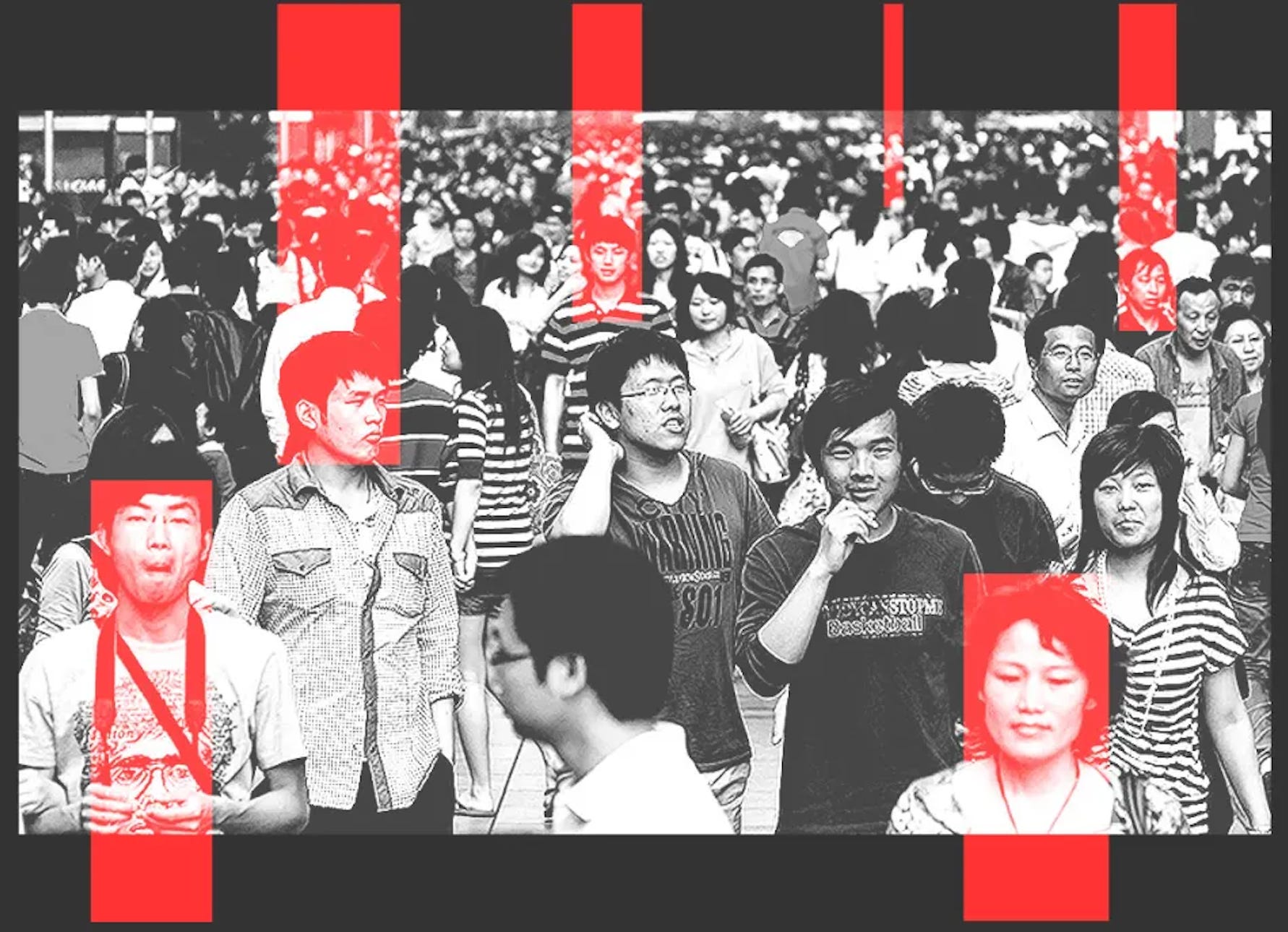
Scott: CCP-ruled China is the world’s premier surveillance state, devoting immense resources to keep track of its own population. Many of the tech bros, particularly Peter Thiel and his Palantir, see China as a model for the future; they have worked hard to emulate China’s surveillance technology, sensing that the same systems will be in demand across the globe quickly in China’s wake. And now China is focusing heavily on predictive technologies that will allow the CCP to identify their future enemies even in childhood. Does this ring a bell? It’s the premise of Philip K Dick’s Minority Report (1956), and it’s now approaching reality.
A massive leak of documents from two firms set up by the Chinese state scientific apparatus and deployed as part of the country’s “Great Firewall” internet management system have given an unprecedented understanding of the way in which it operates.
An analysis by a US academic unit, the Institute of National Security at Vanderbilt University, has found that one of the firms is using AI to analyse vast amounts of data covering individuals’ daily habits, travel, relationships and browsing histories.
The firm, known as Geedge Networks in English, appears to be trying to develop a system to predict future habits.
“The goal was to build behavioural profiles of individuals deemed ‘harmful’ — not simply to understand what people have already done, but to anticipate what they might do next and with whom,” the study says…
“The trigger for state action is no longer something the citizen did,” the study says. “It is something the state believes the citizen will do.”
The power of the internet to generate data about its users, and particularly users of social media sites, has already been widely exploited across political systems to target them as both consumers and voters. However, as the researchers noted, it is much easier to analyse what people have done, such as items they have bought, or things they have said, than to predict what they will do. That requires either huge human “inputs”, or AI, whose superpower is to work out patterns from large banks of data.
Knowledge Is Power
Scott: I believe passionately that one of the really poor items in media coverage in the United States is science reporting.
I am routinely pulling things out from major science journals that are significant news in themselves but haven’t really been covered as news.
Try getting the news you need from Charles and I, free for two weeks.
Four Sane House Republicans
The New York Times
Charles: Ever so slowly it is dawning on Republican members of the 119th Congress that they have nothing to sell to any voter in November who has a net worth of under $1 billion.
It took the most idiotic war of choice of the 21st Century (a very high bar indeed) and gas at $5 a gallon, but yesterday four Republicans actually voted “to direct President Trump to withdraw U.S. forces from the conflict with Iran or win approval from Congress to continue the war.”
Until now, Brian Fitzpatrick of Pennsylvania has been the only reliable voice of reason within the Republican caucus. But yesterday he was joined by Tom Barrett of Michigan, Warren Davidson of Ohio and Thomas Massie of Kentucky.
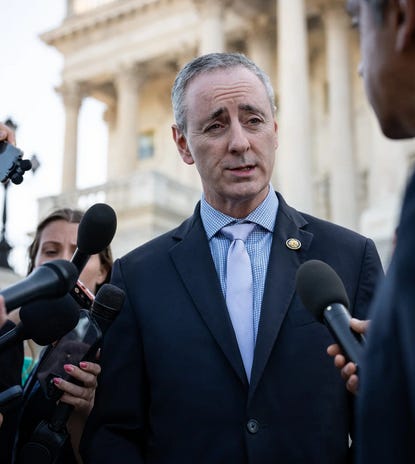
Congressman Brian Fitzpatrick of Pennsylvania:
This was a most encouraging sign of life for our struggling democracy. The Times even pointed out that
It came after Senate Republicans have in recent days forced Mr. Trump to abandon his request for $1 billion in security funding for his ballroom project and a plan that the Justice Department announced to create a federal fund to pay claimants who accuse the government of having victimized them.
But for some reason the reporters writing this story then added this bit of idiotic both siderism to their piece:
Many have dismissed Democrats’ war powers measures, which call for the removal of most U.S. forces from hostilities in Iran, as politically motivated attacks on the president that would leave American interests unprotected.
A Guide for the Perplexed on AI
Financial Times
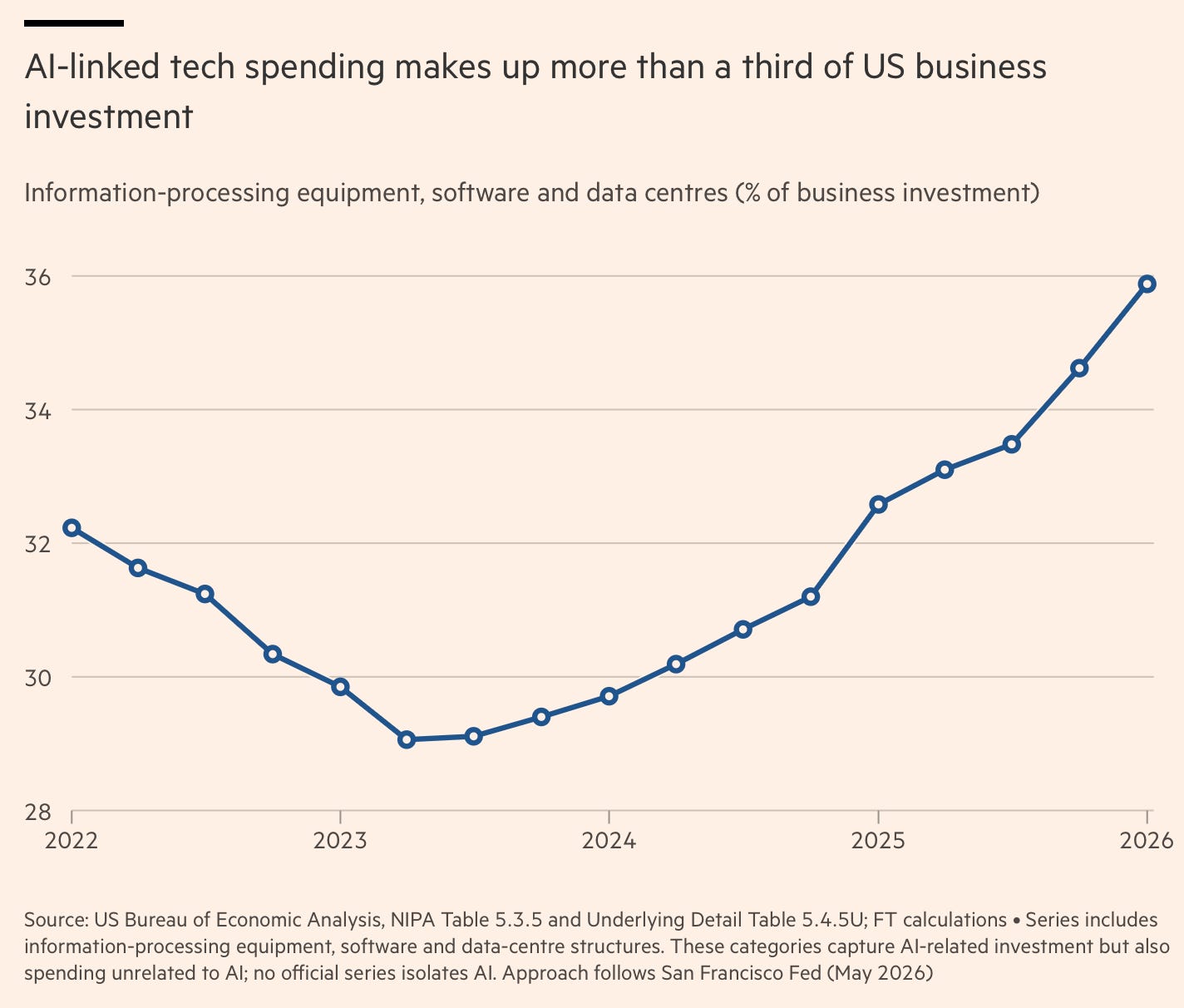
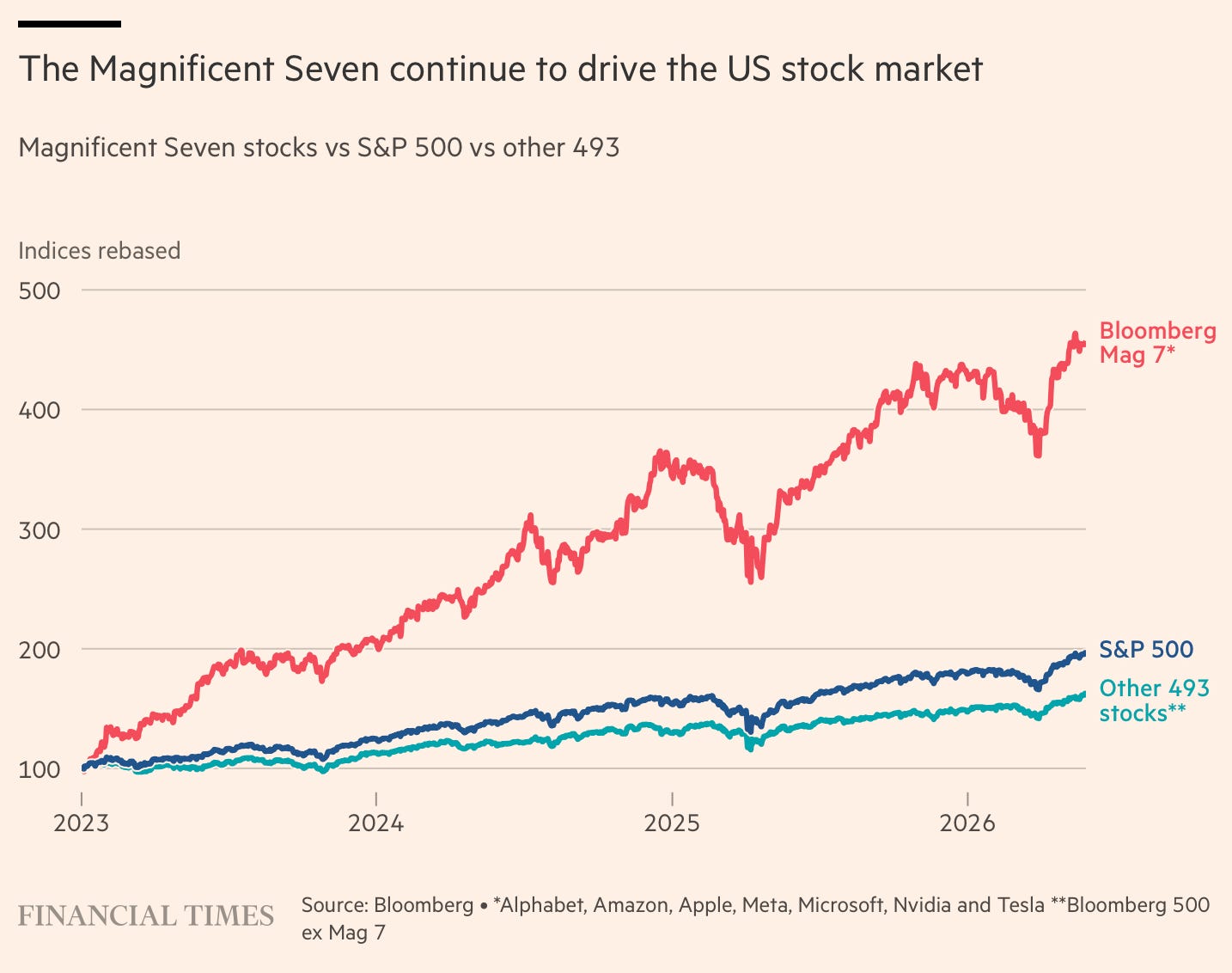
Scott: Right now, global equity markets are dominated and distorted by artificial intelligence and extreme expectations surrounding its economic benefits. Meanwhile, legacy media is notably bereft of serious critical discussion of this entire phenomenon—something which reflects among other things the rising influence of the tech bros over major media, particularly inside the US. Martin Wolf comes to the rescue, asking the right questions and presenting well reasoned responses.
How should someone who knows next to nothing about artificial intelligence think about its implications for humanity? While it is cheeky to use the formulation of the Jewish sage Maimonides when tackling the relationship between revelation and philosophy, it is not absurd. After all, even the greatest sage cannot fully understand divinity. So, the fact that I do not understand the implications of AI should not prevent me from struggling to do so. Maybe my struggles will also help others.
So, here goes. The question I wish to consider is: “AI boon, bane or bubble?” Moreover, once we have considered the answers, are there any choices humanity can realistically make to ensure it is far more of the first than the second, or are we doomed to be dragged behind the AI chariot, willy-nilly, wherever it goes?
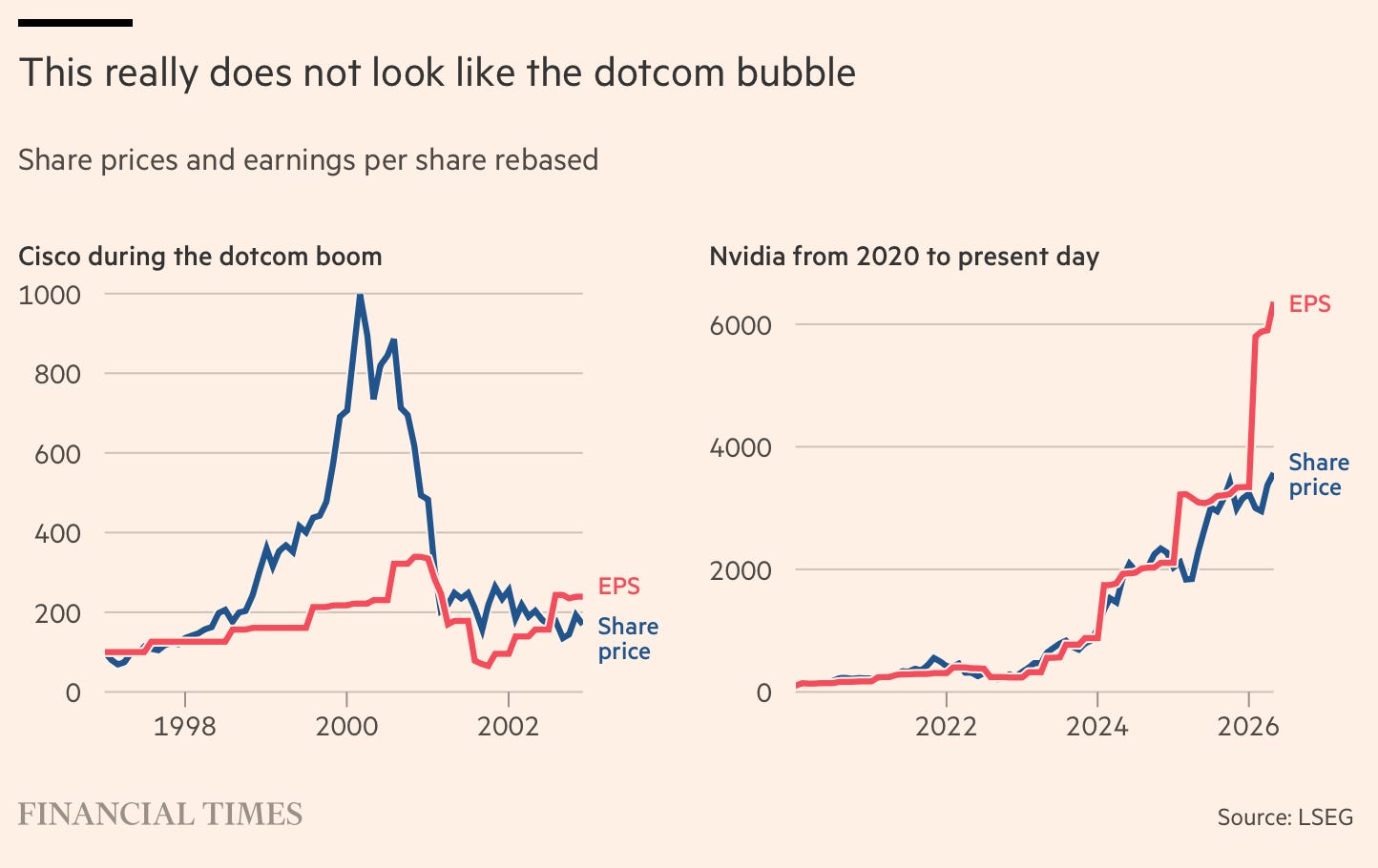
The answer to the question about whether it is merely a bubble will help to set the ground for answering these as well. So, what might it mean for AI to be a bubble? There are two possibilities.
One is that something important is indeed happening. But markets cannot estimate the returns and are being driven into a speculative frenzy. This, in turn, is fuelling an unsustainable (and to some degree unprofitable) surge in investment. Sooner or later, this bubble will burst, stock prices will collapse, many old and new businesses will go bankrupt and the investment will subside. But we will be left, as we were after, say, the railway booms of the 19th century and the dotcom bubble of the 1990s, with useful infrastructure: tracks, in the case of the former, and fibre optic cable, in the case of the latter. Such bubbles can transform the world.
The other possibility is that AI is nonsense. The Mississippi and South Sea bubbles of the early 18th century in France and England come to mind: they burst, ruined some, and changed little.
