


A Crucial Genocide Ruling / Deutsche Bank Again / Three Evil Men
*World Court Renders Judgment for the Rohingya In Their Landmark Genocide Case Against Myanmar
The Guardian
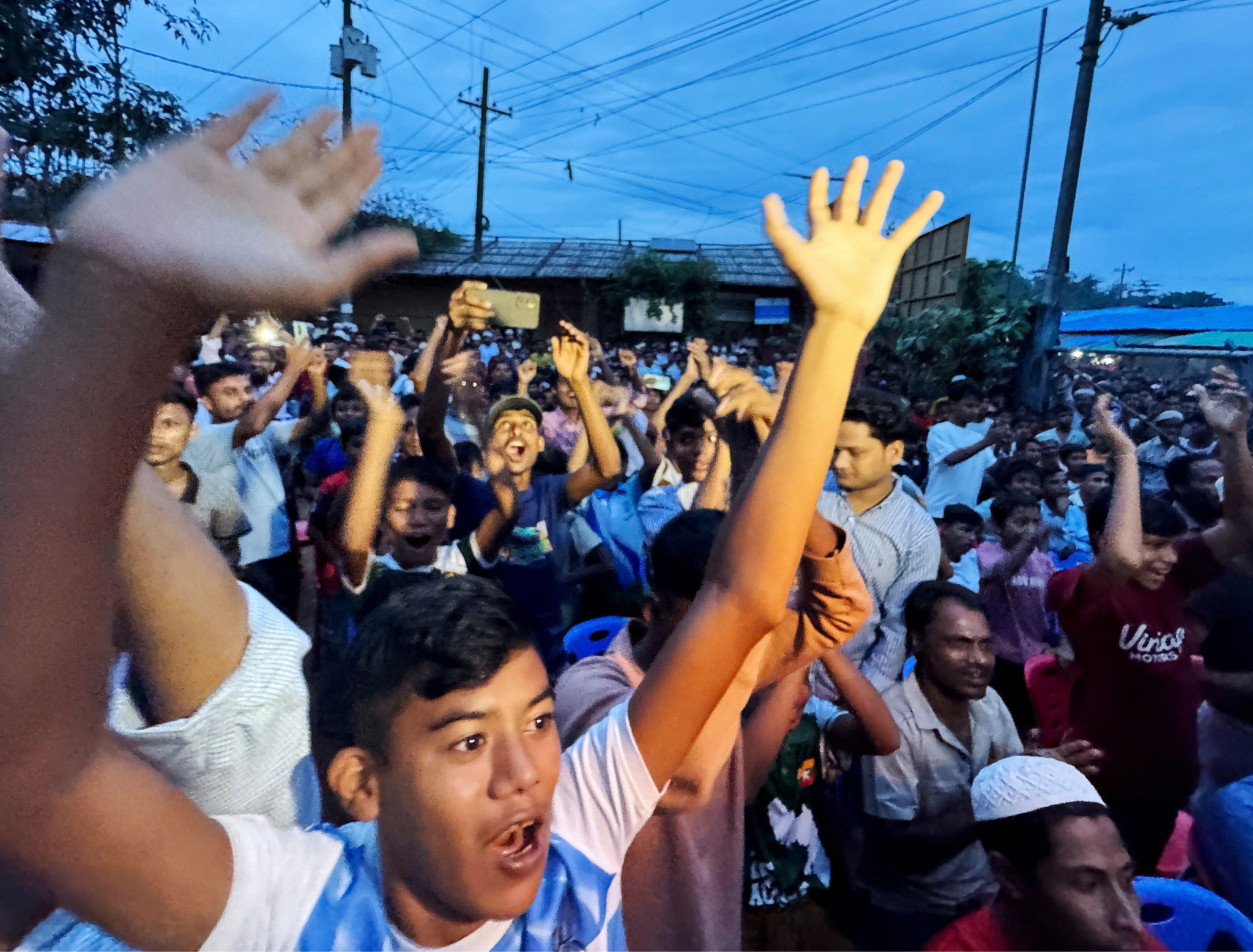
Rohingya refugees at their camp in Cox’s Bazar, Bangladesh, react during a live broadcast of the international court of justice Myanmar genocide ruling. Photo: Yassin Abdumonab/EPA
Scott: The lead story of the day is the momentous ruling by the International Court of Justice in The Hague on the genocide case brought initially by The Gambia against Myanmar on the basis of their treatment of the Rohingya. The ruling certainly comes as no surprise to international law scholars, since the World Court has faithfully applied the language of the Genocide Convention and existing precedent to the evidence of the case. Still, the ruling is immense in scope and will take some time to digest.
What it tells us at the outset is that all those blabberings from Biden and Trump officials about what “genocide” means (which invariably boil down to “we know it when we see it, and when our allies are involved, we don’t see it”) are wrong. Genocide is a clearly defined concept under the law, and the genocide needn’t be fully completed to make the case out—indeed the purpose of the convention is to use international law as a tool to prevent it from being completed.
The major genocide case still on the horizon, in which evidence is currently being taken, involves Israel’s treatment of Palestinians in Gaza and the West Bank. This ruling does not make the outcome in that case fully apparent; the evidence adduced in the case matters. But even if the Myanmar and Israel cases are not fully aligned on every issue, the overlap between them is considerable, and the ruling makes plain that many of the more technical defenses Israel has raised will be unavailing when the final judgment comes down.
At the same time the World Court was handing down its ruling in The Hague, Trump, Xi and Putin were gathered in Shenzhen and offering up a pledge to do whatever they can do to undermine international law and the international courts system. In so doing, their motivation is pure evil. And the Rohingya case is a good demonstration of that fact.
There were tears in the halls of The Hague in the Netherlands and an eruption of applause in the refugee camps of Bangladesh as the scattered communities of Rohingya watched the UN’s top court rule the Myanmar military had committed genocide against them.
For almost a decade, the Rohingya have awaited this moment; recognition from the international court of justice (ICJ) that Myanmar in 2017 intentionally tried to destroy the mostly Muslim minority group through a campaign of mass killings and rape. More than 10,000 Rohingya were killed and 700,000 fled to neighbouring Bangladesh.
By the time they spilled into the court’s halls, the relief was evident. A Rohingya community leader threw a big thumbs up as he left the courtroom and others immediately took out their phones to call family in the refugee camps.
Salma, 30, a Rohingya survivor who lost family members in the 2017 genocide, said: “Everyone worked hard and struggled for this justice, for this cause. When they hear it today, everyone will be happy, thank God. I don’t know how to express it or even what to do with myself.”
Another Rohingya present, who cannot be named because of safety concerns, said they cried as the judge went through each of the rulings.
“During the last few minutes I couldn’t even sit down any more, I had to move to the back because I didn’t know how I’d react,” they said. “I saw some of the other Rohingya around me crying. They were so emotional.
“Now the responsibility is with the international governments. It has been declared genocide now and they have to act.”
In Bangladesh, where most of the Rohingya population have lived – in the world’s largest refugee camp – since being forced to flee in 2017, the verdict was translated into the Rohingya language for the crowds who had gathered to watch on screens specially set up for the purpose.
They immediately leapt up, cheering, applauding and shouting gratitude for the Gambia – the faraway African nation that brought the case to the ICJ on behalf of the stateless minority. Many held posters that read “Thank You Gambia” and “Justice = Safe Return”.
“Since we arrived here, we have been waiting and looking forward to this justice,” said Farida Khatun, 50, who has been a refugee in Bangladesh since 2017, when her village, Tula Toli, was targeted by soldiers. The village in north-western Myanmar, near the Bangladesh border, was the scene of a massacre in August of that year, with reports of mass killings and gang rapes.
She said, however, that she does not expect to be able to return home. Tula Toli was completely destroyed by Myanmar’s forces and no longer exists. “Even though today’s verdict makes us happy, my heart still cannot believe that they will take us back in true peace.”
The case has taken seven years to reach this point, with Rohingya researchers working to collect testimony from survivors. The initial hope for justice had faded during the long wait for a ruling. Many were also left deflated during early hearings when the one-time pro-democracy hero Aung San Suu Kyi defended the Myanmar military at The Hague.
Raphael Lemkin: The Man Behind the Legal Concept of Genocide
Frankfurter Allgemeine Zeitung
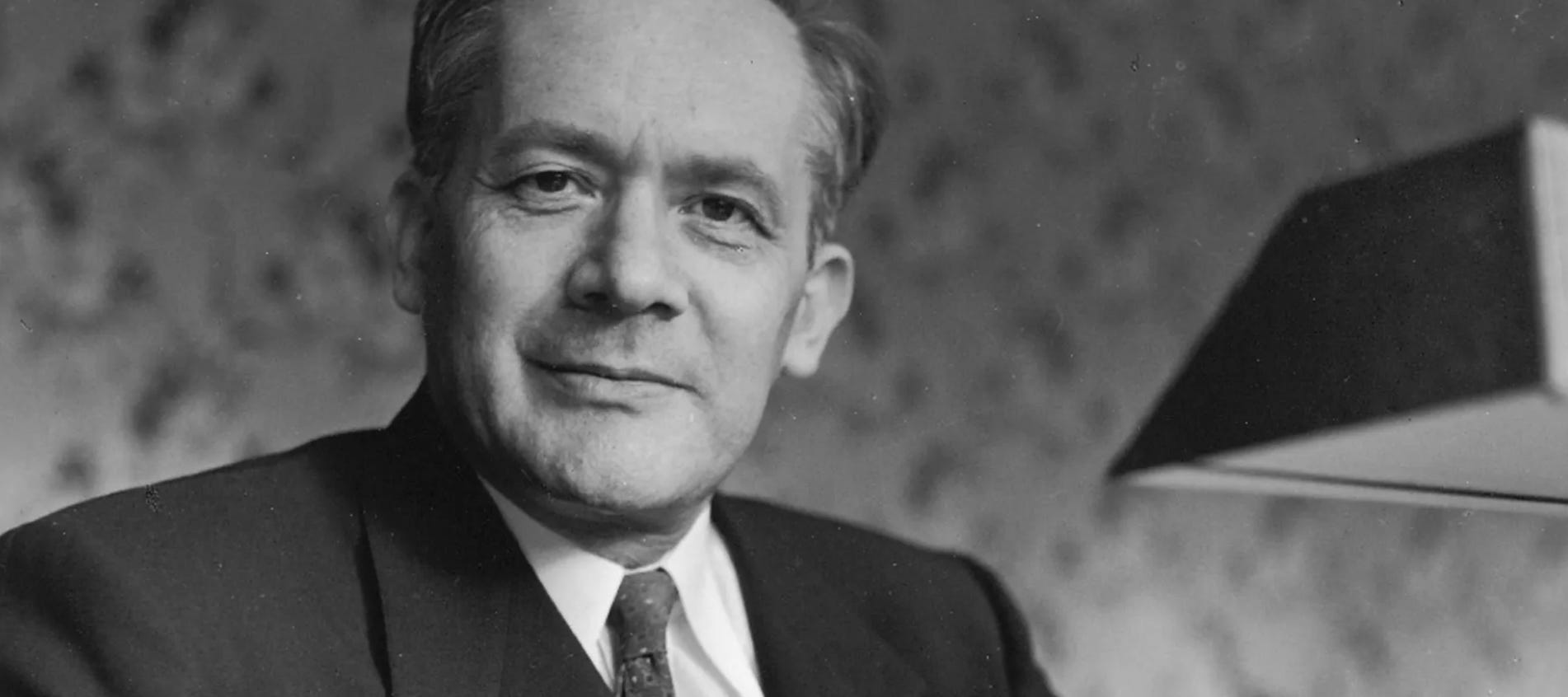
Raphael Lemkin. Photo: Imago
Scott: Today is his day. Raphael Lemkin, a leading Polish-Jewish jurist who fled to America in advance of the Nazis and Soviets, was fixed on the Holocaust (but also the Armenian genocide and Ukrainian Holodomor that preceded it) and insuring that a legal structure would exist that could stop genocide in its tracks, or at least make it clear that all the practices associated with it were illegal from the outset. FAZ offers a tribune to Lemkin and his notion of genocide, today the subject of a first major World Court ruling, The Gambia v Myanmar.
Incidentally, Robert P Patterson Sr, the celebrated Republican prosecutor who served as Truman’s secretary of War, and who founded the law firm where I was a partner, was a friend of Lemkin’s and a promoter of his genocide convention project, who assured it of support inside the Truman and Eisenhower administrations.
At the end of his life, Raphael Lemkin believed that his work had been in vain. When he died impoverished in New York in 1959, he had no idea what impact the term he had created would have: genocide. He first used the word in the book “The Rule of the Axis Powers in Occupied Europe,” published in 1944.
He wasn’t just interested in finding an apt name for the actions of the National Socialists. Lemkin was a lawyer - he wanted to create a legal construct to punish crimes committed with the intent to wipe out entire populations.
He learned early on what it was like when people were harassed because of their membership in a community. Lemkin was born into a Jewish family in 1900 in a village in eastern Poland, which was then under Russian control. Anti-Semitism was omnipresent in the late Tsarist Empire, and pogroms were not uncommon.
Lemkin’s family perished in the Holocaust
In the independent Polish state since 1918, Lemkin studied law and worked as a public prosecutor and lawyer. After his studies, he launched a major study of the mass murder of Armenians in the Ottoman Empire in 1915. At international conferences in the 1930s, he campaigned to establish rules for the prosecution of such crimes in international law.
After the German attack on Poland in 1939, Lemkin fled to the USA via Sweden. Of his family, only his brother escaped the Holocaust - because the Soviets took him to the Gulag, which occupied eastern Poland from 1939 to 1941 as a result of the Hitler-Stalin Pact. After the war, Lemkin was part of the team of the American chief prosecutor in the Nuremberg trial against the main war criminals. However, his concept of genocide was not well received there.
He campaigned all the more vehemently for the United Nations to take up his idea. The UN Convention against Genocide, adopted in 1948, was his work. Even at the moment of this success, however, he had to accept setbacks: the Soviet Union was against including the destruction of social classes in the convention, while the USA and the colonial powers France and Great Britain prevented the destruction of cultures from also falling under the term genocide.
In 1953, Lemkin explained why he considered a broad version of the term necessary using the example of Ukraine: the Soviet actions there were the “classic example” of genocide. The UN Convention had come into force two years earlier. But by then she no longer played a role in international politics; Lemkin himself hardly received any attention. His fame began decades later - after further genocides.
Deutsche Bank Revealed as an Epstein Paymaster
Der Spiegel
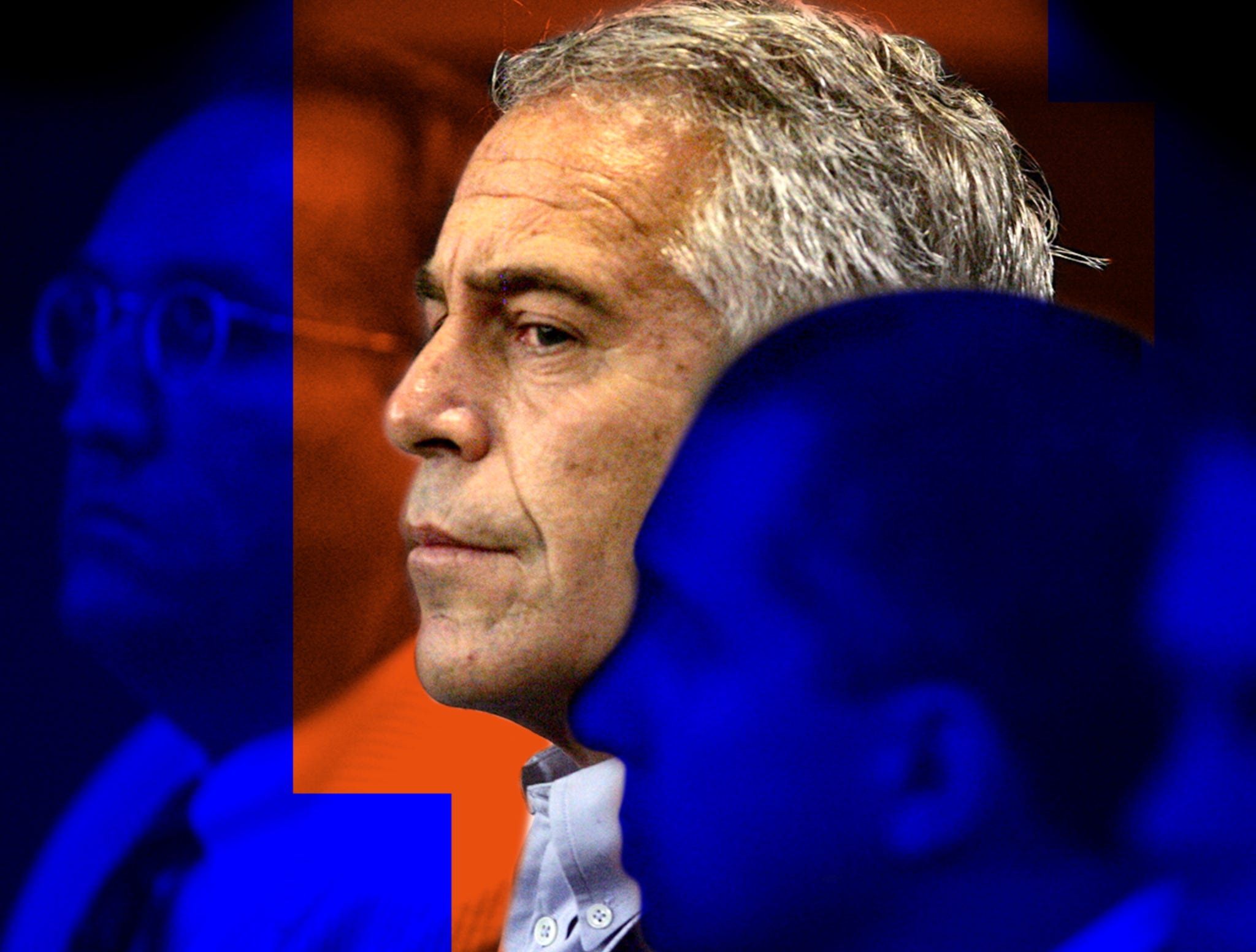
Jeffrey Epstein was another of Deutsche Bank’s critical mistakes. Photo: Uma Sanghvi / AP
Scott: Jeffrey Epstein didn’t rely entirely on JPMorgan for his banking needs, and indeed his financial entanglements were complex and even involved on various occasions plans to acquire failing European banks as a cover for his extensive money laundering activities, which always focused on Russia. But Deutsche Bank’s prominence as the premier money laundering center for Russian oligarchs may well have attracted him to Germany’s largest bank, especially after his relationship with JPMorgan ended. Now Spiegel has reviewed the Deutsche Bank leaks and found a wealth of payments—always to women, it turns out.
Deutsche Bank learned from the newspaper that a PR disaster was looming: In 2018, the Miami Herald reported at length on women who accused Jeffrey Epstein of sexual abuse, some of whom were still minors at the time of the alleged acts.
Particularly alarming to the bank: The articles named people who were thought to have helped sustain Epstein’s system of abuse. Deutsche Bank employees were familiar with them: Some were apparently beneficiaries of The Butterfly Trust, founded by Jeffrey Epstein, which held an account at Deutsche Bank – and which transferred significant quantities of money to young women in Eastern Europe.
“What do they do for Jeffrey Epstein?” a bank employee asked in an internal email in December 2018, referring to the possible Epstein helpers. Clarity was imperative, she wrote.
The question came rather late. By then, Epstein had been a Deutsche Bank client for more than five years. The convicted sex offender, his companies and his closest circle held more than 40 accounts at the financial institution. The bank knew of his conviction and of additional allegations of sexual violence against minors.
Nevertheless, transactions on a scale that should have raised questions at the bank continued flowing through his accounts.
As part of the global “Inside Deutsche Bank” investigation, DER SPIEGEL was able to review documents that show the full extent of the bank’s dealings with Epstein: According to the documents, the bank itself flagged more than half a billion dollars in transactions connected to the sex offender as suspicious. That is more than twice as much as was previously publicly known.
Completing the Picture
Since December 2025, the US Justice Department has released more than three million documents from the so-called Epstein files. They reveal a great deal about Epstein’s circle, his contacts and his crimes. Some of the banking transactions are documented there as well.
J.P. Morgan decided to cut ties with Jeffrey Epstein. Not so Deutsche Bank. The “Inside Deutsche Bank” investigation now completes the picture. It tells the story of a bank that missed warning sign after warning sign with one of its riskiest clients. It was a pattern seen with other clients as well, but with Epstein, it had particularly disastrous consequences for both the victims and the bank. In a statement provided to DER SPIEGEL, Deutsche Bank wrote that it regrets its association with Epstein. “We have cooperated with regulatory and law enforcement agencies and the US Congress regarding their investigations and have been transparent in addressing these matters in parallel.” In recent years, the statement noted, Deutsche Bank has invested in strengthening controls.
When Deutsche Bank took on Jeffrey Epstein as a client in 2013, J.P. Morgan had just parted ways with him. The risk apparently seemed too high to the American megabank.
Deutsche Bank, by contrast, sensed an opportunity after the financial crisis to expand its business model, which was heavily dependent on investment banking, to include relationships with wealthy US clients. In doing so, CEOs Anshu Jain and Jürgen Fitschen made a decision with disastrous consequences. While bank employees in Germany had to attend culture change seminars, their colleagues in the US were allowed to go all out.
Axis of Evil: Trump, Xi and Putin pledge go to war against international law and boost oil production
The Times
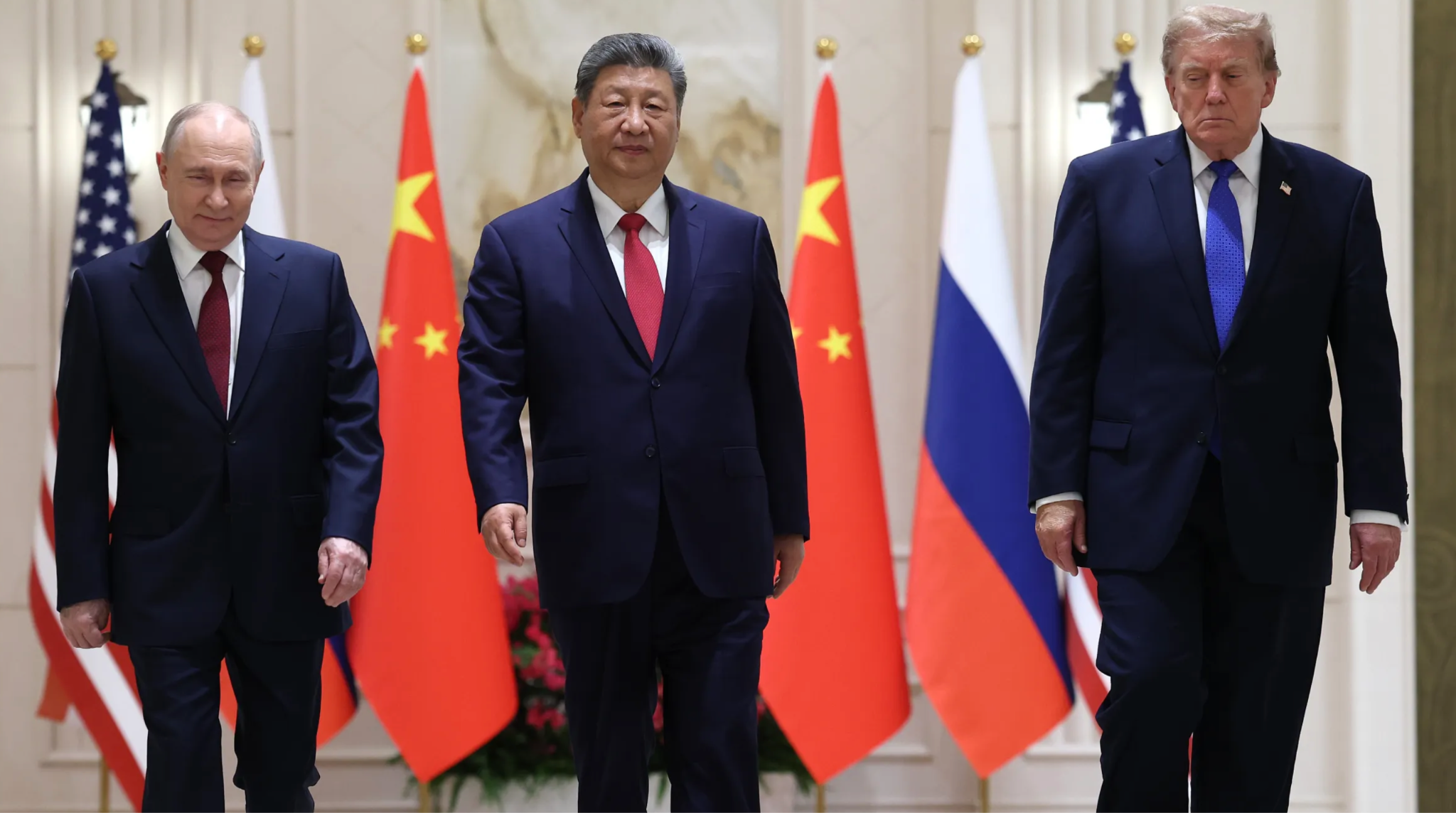
President Putin, President Xi and President Trump arrive for their meeting. Photo: Win McNamee/Getty
Scott: The much vaunted Shenzhen summit lasted only a few minutes and was little more than a photo-op. Here’s what we learned: (1) The UN is a bunch of meddlesome busybodies that would greatly benefit from a new secretary general who simply does as s/he is told and doesn’t get in the way of genocidal war plans of the big three. (2) The world court system, and particularly the ICC, are obnoxious creeps who don’t understand that their role is simply to keep the little guys down. They will have to be taken out. Lil Marco will coordinate with Putin on all the details. (3) The interests of the fossil fuels industry are always paramount, so we need more oil, higher prices/profits and the elimination of all that green energy nonsense. (4) We want peace. Except when we want war. And we’ll tell you whether it will be war or peace on any given day. Got it? Sound like a world order being rewritten by a bunch of gangsters and thugs? That’s exactly what it is.
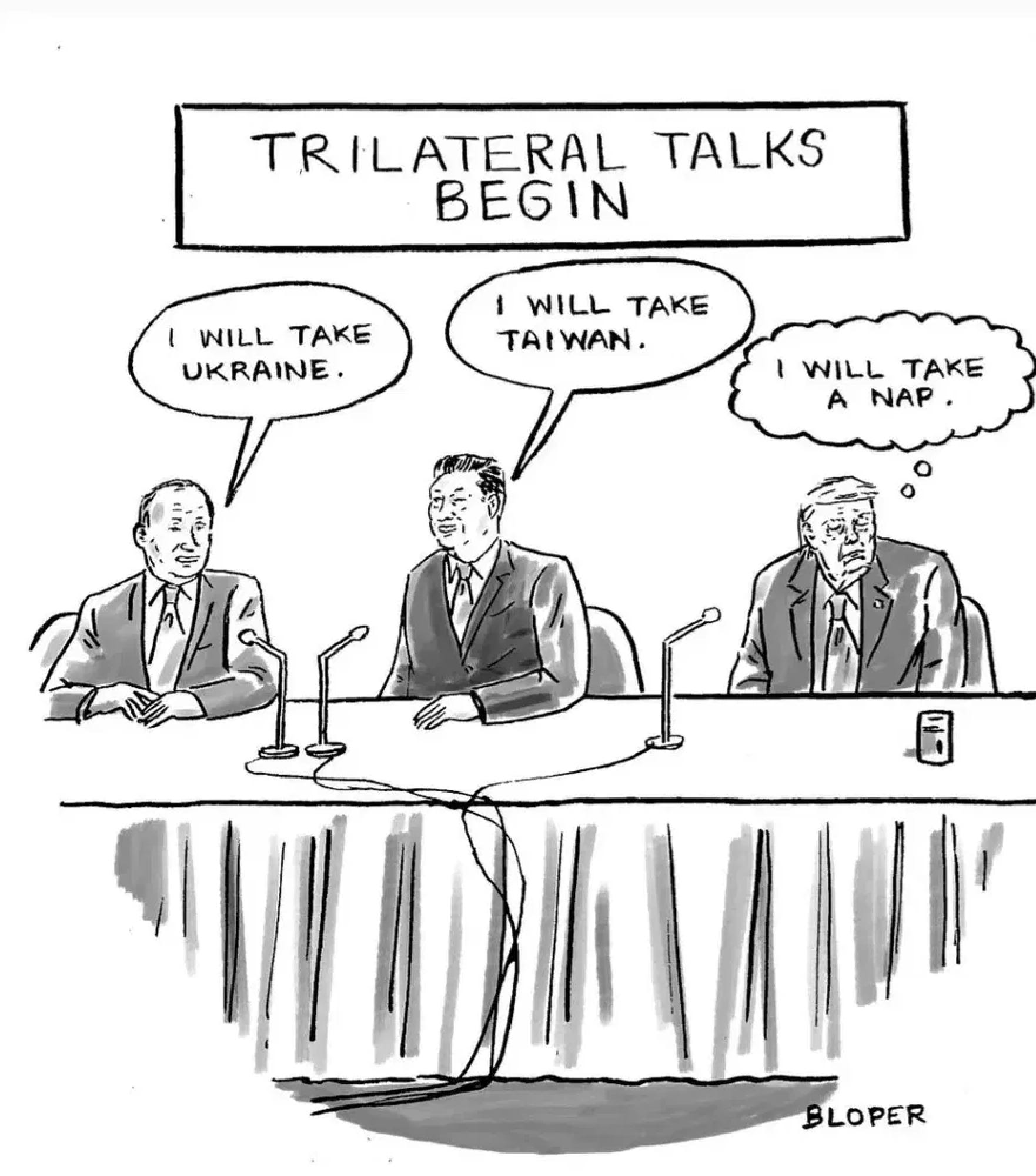
Brendan Loper, The New Yorker
The minute it became clear that Thursday’s trilateral summit would not end the Ukraine or Gaza wars, or reach agreement on superchip technology, or cut nuclear arsenals, everyone decided it was all about the “optics”.
Optics there certainly were. Over two days of handshakes and photo opportunities, the cameras gave us a plethora of choreographed images, and it was not hard to make out winners and losers.
There was President Putin, leaping across the stage, arm outstretched, grasping Trump under the benign gaze of Xi, who neatly played the role of generous host to two excitable, ageing warmongers.
There, later, was the octogenarian President Trump nodding off as the Asia-Pacific Economic Cooperation summiteers droned on.
Donald Trump sitting with his eyes closed and head bowed at a conference table, with a sign reading “UNITED STATES OF AMERICA” in front of him.
Trump was accused of falling asleep
Then there was the trilateral itself. A round table had been chosen, but in China, unlike Camelot, round tables do not signify equality.
The official pictures showed President Xi in the middle, in the dominant position, and in subordinate places to right and left sat Putin and Trump. The symbolism was unmistakable.
Was this, then, really a Yalta 2.0 moment, as feared by Europe and boasted of by upholders of this new world order, in which Xi presides primus inter pares?
It might have seemed like that, especially when their joint communiqué criticised the UN and the International Criminal Court. If any organisations represent a “world order” that might try to hold powerful nations in check, it is these. But then observers also have to consider that lack of substance, the failure to decide any practical measures, even on UN reform.
They talked about boosting supplies of refined petroleum products. That is a veiled reference to the fallout from the Iran war, but it is hardly an earth-shattering revelation that the effect on global energy supplies has not been good.
The statement was neither an expression of support for the US — impossible given Russian and Chinese opposition to the war — nor for Iran, whose blocking of the Strait of Hormuz is rejected by Moscow and Beijing.
If the world’s three powerbrokers cannot agree a way forward for Iran and Ukraine, how can they manage to carve up the rest of the globe?
Power, as Chairman Mao said, comes from the barrel of a gun. Yalta 1.0 was ruthless, but also only possible because the three countries represented by Churchill, Roosevelt and Stalin in 1945 were the victors of the bloodiest war history had ever known.
They gave each other concessions — most notably, Soviet control over eastern Europe — because their populations would not tolerate renewing that conflict in a new, perhaps even bloodier, form. Likewise, the corpse-strewn nations of Europe and Asia hardly had the strength to complain, let alone resist.
Now the world is very different. Iran and Ukraine have both shown that it is in fact possible to stand up to supposed titans. Mao called the US a paper tiger; maybe all these superpowers are paper tigers now.
Lake Pelku, Tibet

CSA/Joshua Kutryk
An astronaut on the International Space Station captured this photograph of Lake Pelku (near center) as the station orbited above Asia.
The International Space Station serves as a unique platform for observing Earth with both hands-on and automated equipment. Station crew members have produced hundreds of thousands of images. These images record phenomena in real time and support research and disaster relief.
Your Online Moment of Zen
Be My Baby
Written By Jeff Barry, Elli Greenwich and Phil Spector.
Performed by Ronnie Spector (born Veronica Yvette Bennett; August 10, 1943 – January 12, 2022)
From Wiki:
Be My Baby was released in August 1963 as the Ronettes’ debut on Philles Records and became their biggest hit, reaching number 2 in the U.S. and Canada, and number 4 in the UK.
Spector produced the song in his Wall of Sound style at Gold Star Studios in Hollywood with the group of session musicians later known as the Wrecking Crew. It marked the first time that he recorded with a full orchestra. Ronnie Spector (then Veronica Bennett) is the only Ronette that appears on the track. In 1964, it appeared on their album Presenting the Fabulous Ronettes.
A significant influence on music production, “Be My Baby” is sometimes ranked among the all-time greatest songs in popular music. It influenced many artists, most notably the Beach Boys‘ Brian Wilson, who wrote the answer song “Don’t Worry Baby“ (1964). Many others have replicated or recreated Hal Blaine‘s central drum phrase, considered to be one of the most recognizable in pop music.